
The placenta serves as a lifeline between a growing baby and the uterine wall throughout pregnancy. It delivers oxygen, transfers nutrients, and produces hormones that keep the pregnancy on track. Once the baby arrives, this remarkable organ is delivered during the third stage of labor – usually within 5 to 30 minutes after birth.
More families across the United States are now choosing afterbirth preservation instead of letting hospitals dispose of this tissue. Studies suggest that 70 to 80 percent of those who consume their placenta prefer encapsulation, where the organ is dried, ground, and placed into pill form.
Proper placenta storage begins the moment it leaves the body. Without the right postpartum placenta handling techniques, bacteria can grow quickly and make the tissue unsafe for any use. Timing, temperature, and clean containers all play a critical role in keeping it viable.
The placenta legally belongs to the birthing parent. She has every right to request it at a hospital or birthing center and take it home. Knowing the correct birth tissue storage methods ahead of time helps families plan with confidence and avoid last-minute confusion with medical staff.
Understanding the Placenta and Its Role in Pregnancy
Before storing a placenta for encapsulation, it helps to understand what this organ does and how it leaves the body. The placenta is a temporary organ that plays a vital role during pregnancy. Many families now explore afterbirth uses that go far beyond what previous generations considered.
What Is the Placenta and Its Functions
The placenta attaches to the uterine wall early in pregnancy. It connects to the baby through the umbilical cord. Among the key placenta functions are delivering oxygen and nutrients to the growing fetus, removing waste products, and producing hormones like progesterone and human placental lactogen. This organ acts as a filter, protecting the baby from many harmful substances in the mother’s bloodstream.
The Delivery Process of the Placenta
Placental delivery occurs during the third stage of labor, which begins right after the baby is born. The uterus keeps contracting to separate the placenta from the uterine wall. Medical staff watch closely to make sure the entire organ is expelled. This process typically takes 5 to 30 minutes. Some families request delayed cord clamping, which allows extra blood and nutrients to flow to the newborn before the cord is cut.
Why Families Choose Placenta Preservation
Growing numbers of families in the United States preserve their placentas. Reported placenta benefits include improved energy levels, better hormonal balance, and increased breast milk production. Popular afterbirth uses include:
- Encapsulation into supplement pills
- Placenta smoothies made with raw placenta, fresh fruit, honey, and chia seeds
- Stem cell banking through companies like Americord
- Cultural ceremonies such as burial rituals or lotus births
- Keepsake art like placental prints and jewelry
With so many preservation options available, proper storage immediately after the third stage of labor is essential. The next section covers the exact steps families should take right after birth.
Immediate Steps to Store Placenta After Birth
Time is critical once the placenta is delivered. Families who plan on encapsulation need to act fast to preserve its quality. Immediate placenta handling starts long before the birth itself. The steps below help ensure a smooth placenta collection process and safe storage from the very first moments.

Communication with Medical Staff
Families should discuss their encapsulation plans early in pregnancy. Talking with doctors, midwives, doulas, and nurses gives the care team time to prepare. This conversation should happen during prenatal visits – not in the delivery room. Including placenta collection in the written birth plan ensures nothing gets overlooked during the rush of labor and delivery.
Each facility has its own rules. Birthing center protocols may differ from large hospital systems, so it pays to ask specific questions ahead of time. Some facilities require signed release forms or blood-borne pathogen testing before they allow families to take the placenta home.
Proper Container and Labeling Requirements
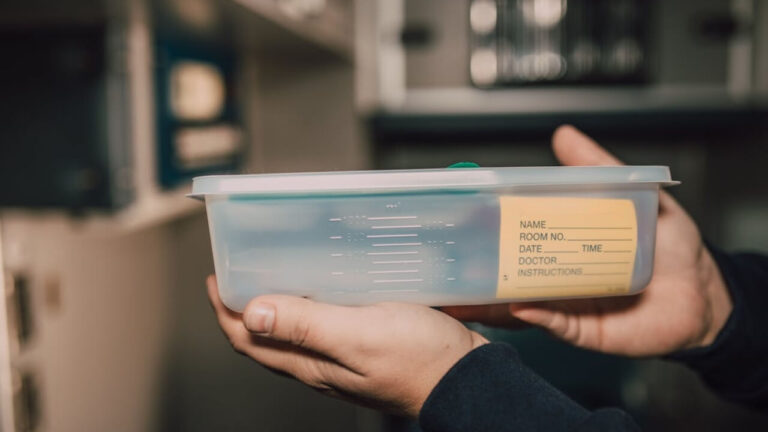
Right after delivery, the placenta must go into a sealed, leak-proof container. Most families bring a food-grade plastic bag placed inside a small cooler. Hospital placenta storage guidelines typically require clear labeling with the patient’s name, date, and time of birth.
- Use a double-bagged, leak-proof container
- Label with full name, date, and time
- Keep the container completely sealed until arriving home
- Do not open or handle the placenta inside the medical facility
This sealed approach protects staff and other patients from contact with biological material.
Temperature Control in the First Hour
Bacteria begin to multiply quickly at room temperature. Cooling the placenta as soon as possible slows this growth. Families should place ice packs in the cooler and aim to reach refrigerator-level temperatures within the first hour.
| Timeframe | Recommended Action | Ideal Temperature |
|---|---|---|
| 0–60 minutes after birth | Seal in container and place on ice | 35–39°F (2–4°C) |
| 1–24 hours after birth | Refrigerate or keep in iced cooler | 35–39°F (2–4°C) |
| Within 24 hours | Begin encapsulation processing | Room temperature during prep |
Cooling reduces bacteria but does not eliminate all germs. Processing should begin within the first day of giving birth. The full encapsulation process typically takes about two days from start to finish.
Safety Considerations and Health Regulations
Before storing a placenta for encapsulation, families must understand the legal and medical guidelines that govern the process. Placenta safety depends on proper testing, strict hospital protocols, and awareness of chemical hazards. Texas health regulations under the Health and Safety Code Chapter 172 outline specific conditions that may prevent a facility from releasing the placenta.
Blood-Borne Disease Testing Requirements
The placenta carries maternal blood. This means it can transmit blood-borne diseases such as HIV, Hepatitis B, and Hepatitis C. Texas law requires that mothers undergo infectious disease screening during pregnancy. If test results confirm an active infection, the facility will not release the placenta for personal use.
Consent forms are part of this process. The mother must acknowledge infection prevention risks and confirm the placenta is for personal use only. Selling human placenta is prohibited under state law.
Hospital and Birthing Center Protocols
Each facility follows its own set of procedures for placenta release. Common requirements include:
- Signed consent and release forms from the mother
- Confirmation of negative infectious disease screenings
- No need for pathological examination of the tissue
- Proper labeling and packaging before the placenta leaves the facility
The placenta passes through the birth canal during delivery. It is exposed to bacteria and viruses along the way. Delivery complications can increase contamination risk, making infection prevention a top priority for medical staff.
Avoiding Formalin Contamination
Some facilities use formalin as a tissue preservative. Understanding formalin risks is critical. Even trace amounts of this chemical can cause severe organ damage or death if ingested. Families should confirm with their care team that no formalin or formaldehyde-based preservatives have touched the placenta before taking it home for encapsulation.
| Risk Factor | Concern | Required Action |
|---|---|---|
| HIV / Hepatitis B / Hepatitis C | Transmission through blood-borne diseases | Mandatory maternal screening |
| Bacterial exposure during delivery | Contamination from birth canal | Prompt cooling and sealed storage |
| Formalin preservative contact | Toxic chemical ingestion | Verbal and written confirmation of no exposure |
Taking these precautions ensures the placenta is safe to transport and prepare. The next step involves choosing the right storage method to maintain freshness until encapsulation begins.
Proper Storage Methods for Placenta Encapsulation
Once the placenta leaves the hospital or birthing center, the clock starts ticking. Choosing the right placenta preservation methods can make the difference between a safe encapsulation experience and a risky one. Families should treat the placenta like raw meat at every stage of handling and storage.

Refrigeration Guidelines and Temperature Requirements
Placenta refrigeration is the most critical step after leaving the birth facility. The placenta must be sealed in a double-bagged, leak-proof container and kept at a proper storage temperature of 35°F to 39°F (1.7°C to 3.9°C). It should always be stored away from food items to prevent cross-contamination.
| Storage Method | Recommended Temperature | Maximum Duration |
|---|---|---|
| Standard Refrigerator | 35°F–39°F | 48 hours |
| Insulated Cooler with Ice | 32°F–40°F | 24 hours |
| Freezer (if delayed processing) | 0°F or below | Up to 6 months |
Using Clean and Sanitized Coolers
A dedicated cooler should be purchased solely for placenta transport. This is one of the most overlooked safe storage practices. The cooler must be scrubbed with warm soapy water and sanitized before use. Pack it with enough ice or frozen gel packs to maintain a steady temperature throughout the trip home.
Hands should be washed thoroughly before and after any contact with the placenta or its container.
Timeframe for Processing
Encapsulation should begin within 24 to 48 hours of birth for the best results. The process involves washing, steaming, and dehydrating the placenta before grinding it into a fine powder for capsules. All utensils, pots, and surfaces used must be cleaned with warm soapy water afterward. Unused portions should be disposed of according to local regulations.
Following these placenta preservation methods and safe storage practices ensures the encapsulation process remains as hygienic as possible before a specialist or the family begins preparation.
Handling and Transportation Best Practices
Getting the placenta from the birth facility to the processing location requires careful planning. Bacteria can multiply quickly at room temperature, making placenta transportation a time-sensitive task. The organ may pick up harmful bacteria during the birthing process. Poor handling has been linked to most negative side effects reported from placenta consumption.
Safe handling procedures start with thorough handwashing before and after touching the placenta. Gloves should be worn at every stage. The placenta must be sealed in a leak-proof container to protect others from blood exposure. Each birth facility has its own packaging policies and release forms, so families should confirm these requirements well before the due date.
Contamination prevention is critical during every step. Bacteria like Group B Streptococcus can transfer to the mother and baby through breastfeeding if the placenta becomes contaminated. Keeping the organ cold and sealed drastically reduces this risk.
Families should follow these transport guidelines to maintain safety:
- Place the sealed placenta container inside an insulated cooler with ice packs.
- Keep the internal temperature at or below 39°F (4°C) during the entire trip.
- Transport the placenta directly home or to the encapsulation specialist without stops.
- Sanitize all surfaces the container touches during transit.
- Never leave the cooler in a warm vehicle unattended.
| Transport Factor | Recommended Practice | Risk if Ignored |
|---|---|---|
| Temperature | Below 39°F (4°C) with ice packs | Rapid bacterial growth |
| Container Seal | Double-bagged, leak-proof | Blood exposure to others |
| Transit Time | Under 1 hour if possible | Increased contamination chance |
| Hand Hygiene | Wash before and after handling | Cross-contamination |
| Facility Compliance | Follow all release protocols | Placenta may not be released |
Proper placenta transportation sets the stage for safe encapsulation. Once the organ arrives at its destination, it should be refrigerated or processed right away according to professional storage methods.
Preparing for Professional Encapsulation Services
Once the placenta is stored and transported safely, the next step is deciding how it will be processed. Families can choose between professional placenta encapsulation services or a do-it-yourself approach. Each option comes with its own set of requirements and price points.
Choosing a Certified Placenta Encapsulation Specialist
A trained specialist can spot irregularities and harmful bacteria that untrained eyes might miss. Portland encapsulation specialists such as Hello Baby, Portland Natural Birth, and Portland Professional Birth Services offer full-service processing. When selecting a provider, families should verify the specialist holds proper placenta-encapsulation training and follows strict safety protocols.
Working with a doula during pregnancy can help ensure birth wishes are communicated. A doula can advocate for placenta preservation during the delivery process.
DIY Encapsulation Kit Requirements
For those who prefer making DIY placenta pills at home, a basic kit includes several key items:
- A food dehydrator (ranging from $50 to several hundred dollars)
- Disposable gloves and sanitized cutting tools
- Empty capsules (vegetable or gelatin-based)
- A manual or automatic pill encapsulator
Capsules offer convenience and mask the strong iron-rich taste that comes with raw consumption.
Cost Considerations and Service Options
Encapsulation costs vary depending on the method chosen. The comparison below breaks down both paths:
| Option | Estimated Cost | What’s Included |
|---|---|---|
| Professional Service | $150–$500 | Pickup, processing, finished capsules, safety testing |
| DIY Kit | $75–$300 | Dehydrator, capsules, gloves, encapsulator |
Professional services carry higher encapsulation costs but provide trained oversight and consistent results. DIY kits save money, yet they require careful sanitation and attention to food-safety practices.
FAQ
Conclusion
The placenta preservation decision is deeply personal and unique to each family. Reported benefits include boosted iron levels, better hormone balance, reduced postpartum mood changes, improved milk supply, and increased energy. Families should weigh these potential gains against known risks before moving forward with any plan.
Exploring afterbirth options goes beyond the delivery room. Some families choose stem cell banking for future regenerative medicine needs. Others prefer professional encapsulation, DIY preparation, donation to medical research, or simple disposal. Each path reflects a family’s cultural beliefs, health goals, and values.
Smart family health planning means making informed postpartum choices early in pregnancy. Talking with healthcare providers, researching certified specialists, and understanding safe storage methods all play a role. No matter what a family decides, the choice deserves respect and careful thought.